
If you have seen large crowds by a river in winter, you may wonder why people gather there. The story of Magh Mela explains it. Magh Mela is an annual gathering where people bathe, follow simple routines, and take time to reflect. People believe that this Magh Snan helps earn punya and slowly moves one towards Moksha. When you stand on the riverbank in Prayagraj, you can feel how old this custom is. The long history of Magh Mela makes it more than fair. Many still follow it.
What is Magh Mela
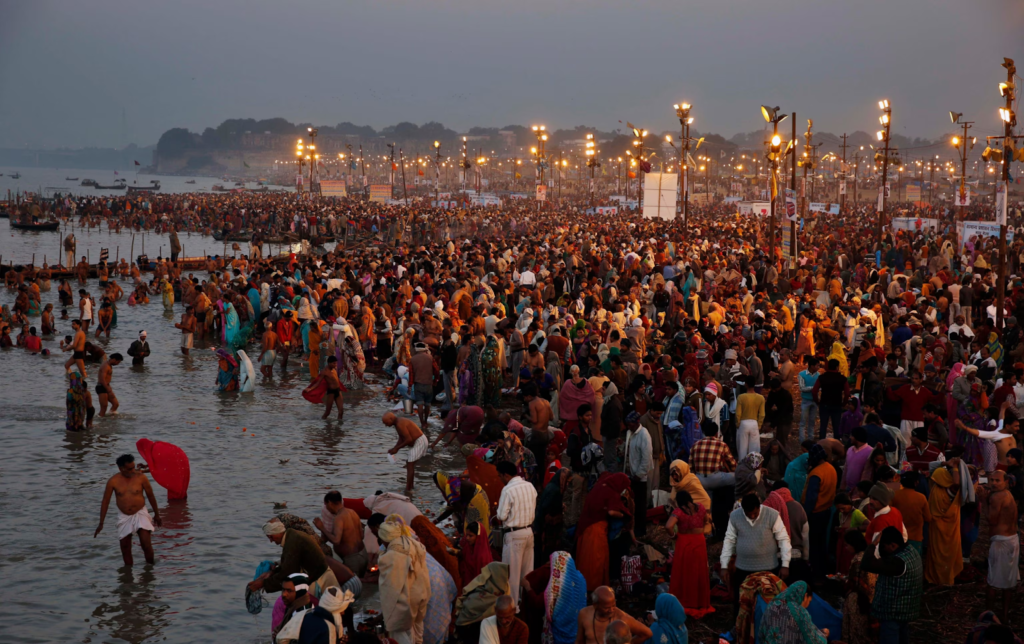
Magh is a month in the Indian calendar. Mela means a gathering. So Magh Mela is the meeting held in Magh. People come to bathe in the river, rest and spend quiet time with family or friends. Bathing at the river meeting point in the Magh month is believed to clean past deeds (Moksha) and bring mental peace.
Where It Happens
The main Magh Mela is at the Triveni Sangam in Prayagraj, where the Ganga, Yamuna and the imagined Saraswati meet. This point has been important for a long time. Smaller gatherings happen near river sites like Haridwar and Nashik, but Prayagraj draws the largest crowd. Many tourist groups come to see and learn.
Ancient Roots of the Festival
Old Indian texts note bathing in rivers during Magh. The Matsya Purana and Agni Purana mention this month as suitable for simple living and discipline. These notes show people travelled to rivers in Magh long before the modern Magh Mela began.
Vedic Traditions and Early Pilgrimage
In Vedic times, rivers were seen as life-giving. People walked to rivers, followed simple routines and rested. The rivers are believed to carry strong natural and spiritual energy during this time. These journeys slowly formed seasonal pilgrimage patterns. Over time, those trips helped shape the Magh Mela at Prayagraj.
Mythological Origin
Samudra Manthan and Sacred Drops
One story links the Mela to Samudra Manthan, the ocean churning. The tale says drops of amrit fell on some spots. Many believe Prayagraj was one. That idea brought more visitors to the Sangam in Magh, and many came simply to learn about history.
Why Prayagraj Became Important
Even before such stories, the meeting of three rivers made this place stand out. When the stories spread, Prayagraj became a stronger draw. More people began visiting in Magh and the gathering grew.
How the Tradition Started
At first, people came once a year. They bathed, sat quietly, and left. There were no big tents or fixed paths. It was a simple yearly movement of people who wanted calm and routine.
Link to River Worship and Penance
Magh became known as a month for discipline. Many used the time to
• bathe daily
• stay near the river
• eat simple food and sleep less
These habits gave Magh Mela its identity and helped it grow.
Read More About: Top 10 Best Tourist Places to Visit in Prayagraj
Magh Mela in the Mahabharata
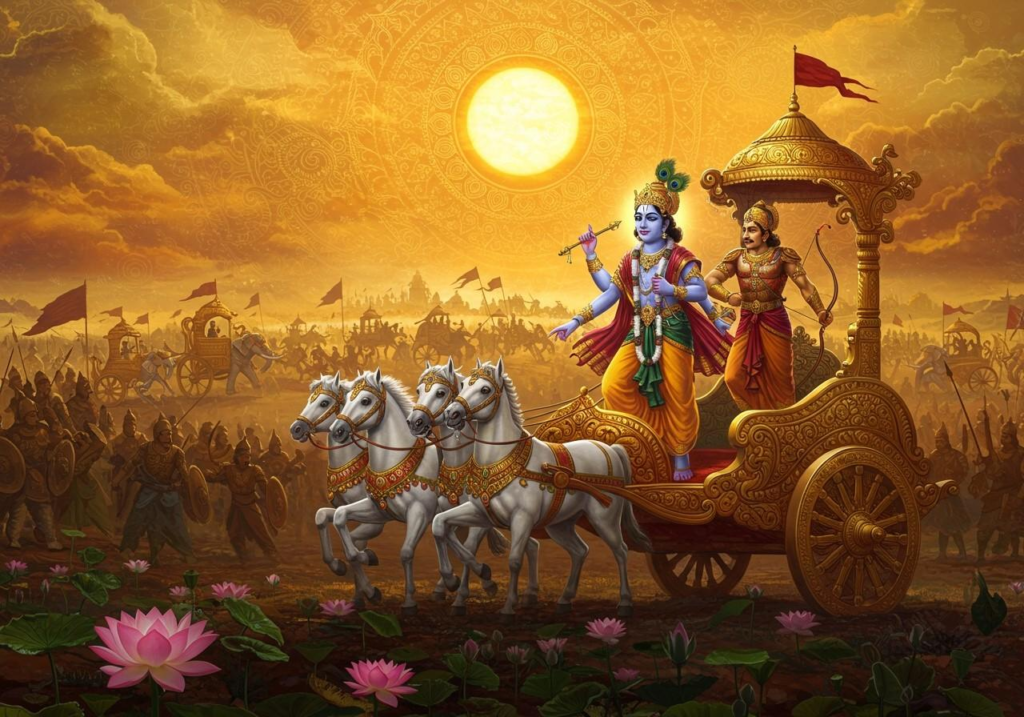
The Mahabharata mentions Prayagraj as an important river meeting point. It says visiting the confluence helps a person reset and move forward. This shows visitors came here long before the Mela grew large.
Other old writings also note bathing and routines during certain months. They may not name Magh Mela but they point to seasonal gatherings that were part of local life and history.
Evolution Through History
Medieval Period and Local Practices
In medieval times, saints and groups set up small camps at the Sangam during Magh. They gave talks, guided routines, and met people. These camps drew more visitors and added shape to the gathering.
Changes During British Rule
British records list large crowds and note the need for simple management. Officials began providing basic facilities and called the event Magh Mela in their reports. This gave the old gathering a more organised shape.
Connection with Kumbh Mela
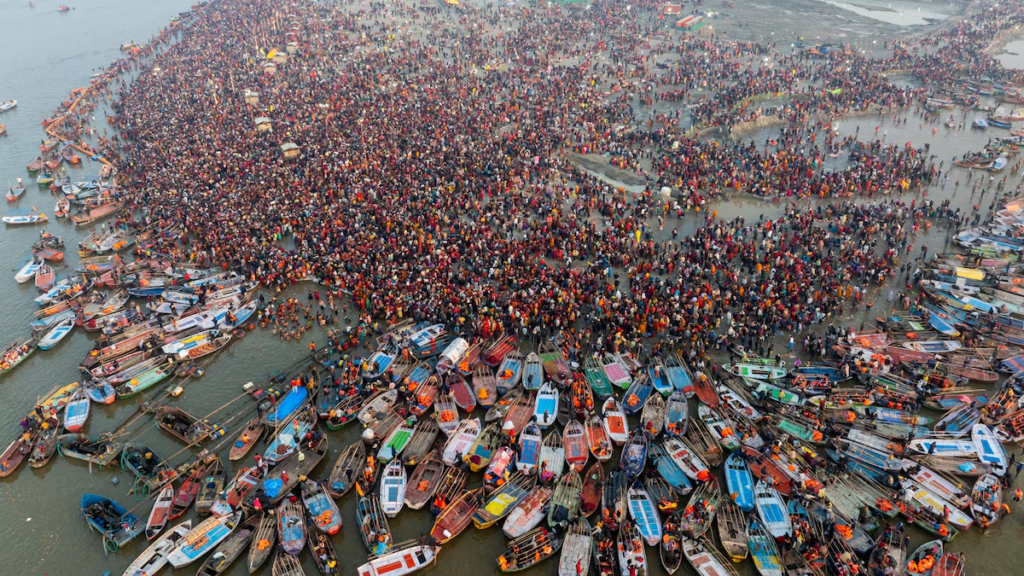
Magh Mela happens every year. Kumbh Mela follows a cycle of about twelve years based on planets. Because Magh is yearly, it keeps the custom alive between big Kumbh years.
How Magh Mela Influenced Kumbh Traditions
Many features of Kumbh grew from repeated Magh gatherings. Camps, set bathing dates, and public talks were refined through many Magh events and later became part of the larger Kumbh.
Rituals That Shaped the Tradition
Bathing is the main activity at Magh Mela. This bath is commonly known as Magh Snan, and people believe it helps gain Punya when done on special dates. Dates like Paush Purnima, Mauni Amavasya, and Basant Panchami bring the most people. These dates guide when pilgrims and tourist groups plan their visit to Prayagraj.
Kalpavas and Devotional Vows
Kalpavas is a practice where a person stays the whole month by the river, follows strict daily routines, and keeps life simple. This long stay gives the gathering a calm mood.
Cultural and Social Aspects
Along with bathing, the Mela has talks, meetings, and shared moments. People meet teachers, attend sessions, and spend time with others. This helps visitors learn and meet new people.
Charity, Music, and Local Traditions
Charity and sharing play an important role during Magh. Giving food, clothes, or help to others is believed to bring good results in life. Many groups serve free food, and local music adds life to the place. These activities make the gathering welcoming for anyone visiting out of interest. Many believe such acts of Punya during Magh help in the long journey towards Moksha.
Spread and Variations Across India
Several states hold smaller Magh fairs. They follow the idea of river visits and simple routines. These fairs may be smaller than Prayagraj, but they keep the same spirit.
Similar Traditions in South and East
In South and East India, some places hold river or temple gatherings during Magh. These events show how the idea of Magh Mela moves across regions.
Best Hotel in Prayagraj for Magh Mela Stay
If you are planning to visit Prayagraj during the Magh Mela, choosing the right accommodation is very important. A comfortable stay helps you enjoy the Mela without stress or tiredness.
Hotel Yatrik is one of the best hotels in Prayagraj for Magh Mela visitors. The hotel offers a calm and pleasant environment, away from the crowd. Guests can enjoy tasty food, and all rooms come with a peaceful garden view, which helps you relax after a long day at the Mela.
Our friendly staff also guides guests about Magh Mela routes, important bathing dates, and local travel options. This support makes your visit smooth, easy, and worry-free. If you are looking for a safe, comfortable, and well-guided stay during Magh Mela, Hotel Yatrik is a reliable choice in Prayagraj.
Conclusion
Magh Mela at Prayagraj is a part of India’s long history. It began as small river visits and slowly grew into a yearly gathering that many still follow. Today it draws visitors, families, and tourist groups because it gives a chance to pause, follow simple routines, and connect with a living tradition.